Understanding Credit Trade Lines: A Comprehensive Guide to Boosting Your Credit Score


What Are Credit Trade Lines?
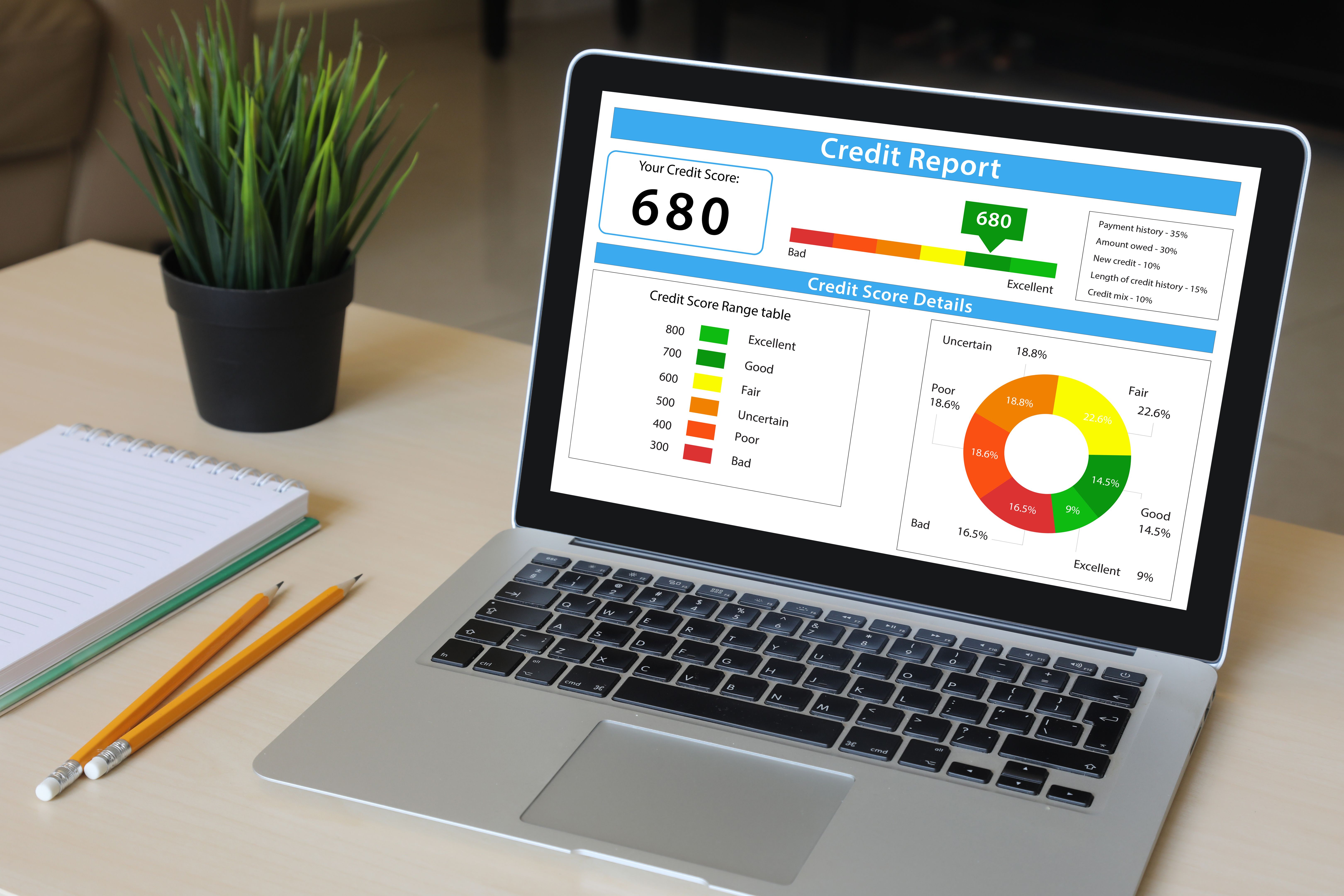
Credit trade lines are essential components of your credit report. Simply put, a trade line is a record of an account on your credit report. Each trade line includes information about the creditor, the type of credit (such as a credit card or loan), the account balance, payment history, and the credit limit. Understanding how trade lines work can be crucial in managing and boosting your credit score.
Types of Credit Trade Lines
There are various types of credit trade lines, each serving different purposes and impacting your credit score in unique ways. The common types include:
- Revolving Accounts: These include credit cards and lines of credit where you can borrow up to a certain limit and pay it down over time.
- Installment Loans: Accounts like mortgages, auto loans, or student loans where you repay a fixed amount over time.
- Open Accounts: These are accounts like utility bills where the full balance is due at the end of each billing cycle.
The Role of Trade Lines in Credit Scores
Your credit score is influenced significantly by the information contained in your trade lines. Key factors include payment history, the age of the account, credit utilization, and the types of credit used. Maintaining a good payment history and keeping low balances on revolving accounts can positively impact your score.
How to Manage Your Trade Lines Effectively
Effective management of your trade lines is crucial to maintaining a healthy credit score. Here are some tips:
- Pay on Time: Consistently making payments on time is one of the most important factors in your credit score.
- Monitor Your Credit Utilization: Try to keep your credit card balances below 30% of your total credit limit.
- Avoid Unnecessary Credit Inquiries: Too many inquiries can negatively affect your score, so only apply for new credit when necessary.
Building Credit with New Trade Lines
If you have limited credit history or a low score, opening new trade lines can help build your credit profile. Consider these options:
- Secured Credit Cards: These require a deposit that acts as your credit limit and can help establish a payment history.
- Authorized User Status: Being added as an authorized user on a responsible person's account can improve your score.

The Impact of Closing Trade Lines
Closing trade lines might seem like a good idea to simplify your finances, but it can impact your credit score. Closing an account can lower your available credit, increase your utilization ratio, and reduce the average age of your accounts. It's essential to consider these factors before deciding to close any trade lines.
Regularly Reviewing Your Credit Report
Regularly checking your credit report is vital for identifying any errors or fraudulent activities. By reviewing your trade lines, you can ensure that all information is accurate and up-to-date, which can prevent unexpected drops in your credit score. Use free annual reports from major credit bureaus to stay informed.
Conclusion
Understanding and managing your credit trade lines is crucial for maintaining a healthy credit profile. By knowing how trade lines work and actively monitoring them, you can take positive steps towards boosting your credit score. With diligence and responsible financial habits, you can achieve a strong credit standing that will benefit you in various aspects of life, from securing loans to getting better interest rates.