Understanding Credit Trade Lines: A Comprehensive Guide for Beginners


Understanding credit trade lines is crucial for anyone looking to build or manage their credit effectively. Whether you're a complete novice or someone with a basic understanding of credit, getting to grips with trade lines can significantly impact your financial health. In this guide, we'll explore what credit trade lines are, why they matter, and how you can use them to your advantage.
What Are Credit Trade Lines?
Credit trade lines are essentially the individual accounts listed on your credit report. Each line represents a credit account, detailing the creditor's name, the type of account (such as a credit card or mortgage), the date it was opened, the credit limit or loan amount, the account balance, and your payment history. Trade lines are critical components of your credit profile, influencing your credit score and lending decisions.
The Importance of Trade Lines in Credit Scores
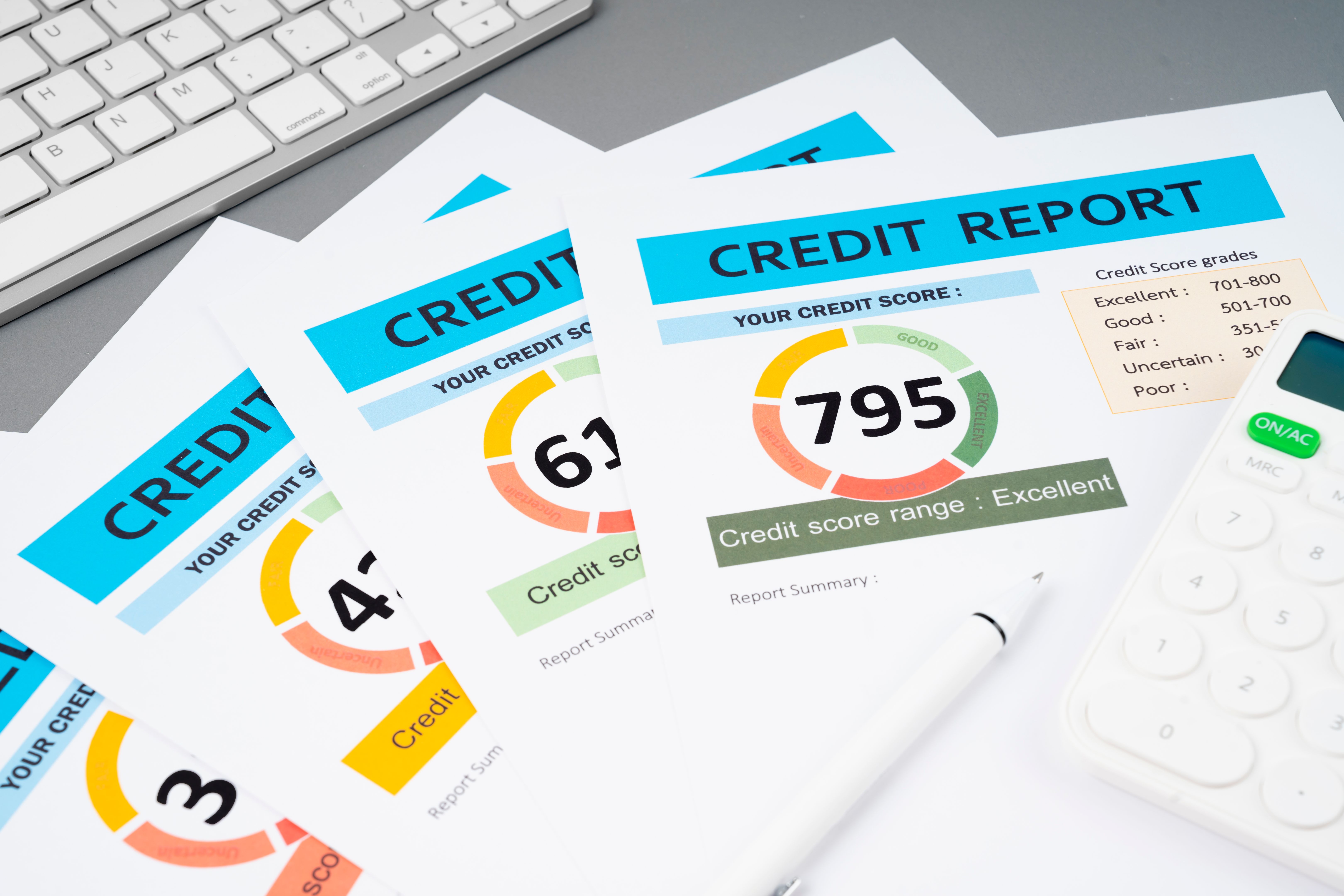
Your credit score is significantly influenced by the details found in your trade lines. Factors such as payment history, credit utilization, and the length of credit history are directly linked to the information from these accounts. A strong record of timely payments and low credit utilization across various trade lines can lead to a higher credit score.
Conversely, missed payments or high balances can negatively impact your score. Therefore, understanding and managing your trade lines is vital for maintaining a healthy credit profile.
Types of Credit Trade Lines
There are several types of credit trade lines that you may encounter, each with its own characteristics and impact on your credit score:
- Revolving Accounts: These include credit cards and lines of credit where you have a set limit but can borrow repeatedly as long as you stay within the limit.
- Installment Loans: This category includes mortgages, auto loans, and student loans, which involve borrowing a fixed amount and repaying it over time with set monthly payments.
- Open Accounts: Less common, these involve accounts that must be paid in full each month, like charge cards.

How to Manage Your Credit Trade Lines
Effective management of your credit trade lines involves several key strategies. First, ensure that you make all payments on time. Late payments can severely damage your credit score. Second, aim to keep your credit utilization below 30% of your available credit limit. This demonstrates responsible credit management and boosts your score.
Additionally, consider keeping older accounts open even if they're not frequently used. The age of your trade lines contributes to the length of your credit history, which is an important factor in determining your score.
Building Strong Trade Lines
If you're new to credit or looking to improve your existing profile, building strong trade lines is essential. Start by applying for a secured credit card or becoming an authorized user on someone else's account. These options can help you establish a positive payment history.

Monitoring Your Credit Report
Regularly monitoring your credit report is crucial for maintaining healthy trade lines. It allows you to verify that all accounts are reported accurately and identify any potential errors or fraudulent activities. Most importantly, it helps you track your progress and adjust strategies as needed.
You are entitled to one free credit report per year from each of the three major credit bureaus: Equifax, Experian, and TransUnion. Take advantage of these reports to ensure that your trade lines are working for you rather than against you.
In conclusion, understanding and managing your credit trade lines is fundamental to achieving financial stability and success. By maintaining a strong payment history, managing credit utilization wisely, and monitoring your accounts regularly, you'll be well-equipped to navigate the world of credit with confidence.