Understanding Credit Trade Lines: A Comprehensive Guide for Beginners


What Are Credit Trade Lines?
Credit trade lines are the accounts listed on your credit report. They include details about your credit history, such as the type of account, the date it was opened, the credit limit or loan amount, the account balance, and your payment history. Understanding credit trade lines is crucial as they significantly influence your credit score and overall financial health.
The Importance of Credit Trade Lines
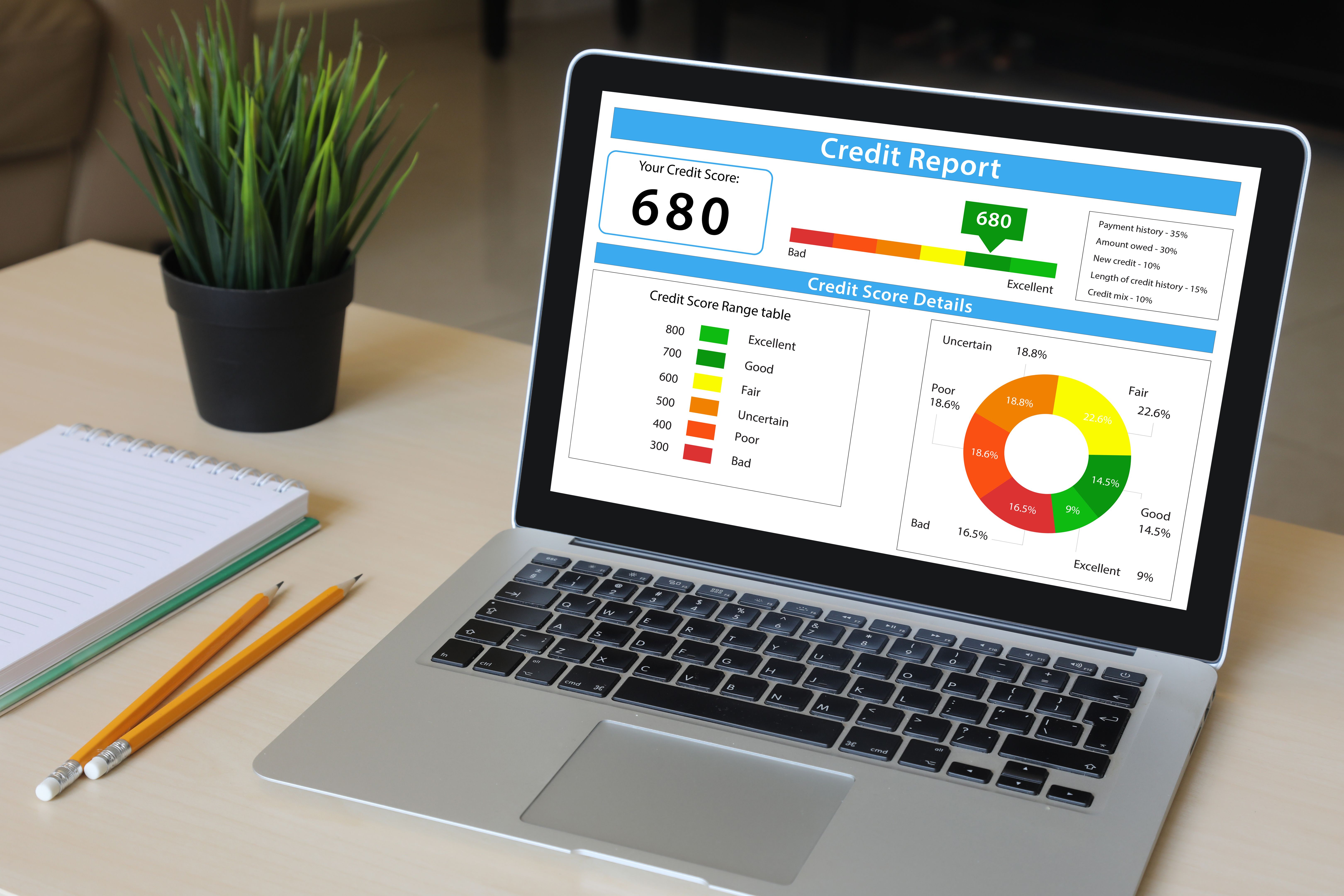
Credit trade lines play a vital role in determining your creditworthiness. Lenders use the information from these trade lines to assess how well you manage your credit. A healthy mix of trade lines can enhance your credit score, making it easier to secure loans with favorable terms. Conversely, negative information on your trade lines, such as late payments or defaults, can severely impact your score.
Types of Credit Trade Lines
There are several types of credit trade lines, each affecting your credit profile differently:
- Revolving Credit Accounts: These include credit cards and lines of credit that allow you to borrow up to a certain limit.
- Installment Loans: Loans that are paid back in fixed installments over time, such as mortgages, car loans, and student loans.
- Open Credit Accounts: Accounts such as utility bills or charge cards that require payment in full each month.
How Credit Trade Lines Affect Your Credit Score
Credit trade lines influence various factors in your credit score calculation, including payment history, amounts owed, length of credit history, new credit, and types of credit used. Maintaining positive trade lines by ensuring timely payments and managing credit utilization can significantly boost your score.
Managing Your Credit Trade Lines
Effective management of your credit trade lines is essential for maintaining a healthy credit score. Here are some tips:
- Make timely payments: Always pay at least the minimum due on or before the due date.
- Keep balances low: Maintain a low credit utilization ratio by keeping balances below 30% of your credit limit.
- Avoid opening too many new accounts at once: Multiple new accounts can lower your average account age and negatively impact your score.

Monitoring Your Credit Trade Lines
Regularly monitoring your credit report is crucial for spotting errors or signs of identity theft. You can obtain a free report annually from each of the three major credit bureaus: Equifax, Experian, and TransUnion. Reviewing these reports ensures that all trade lines listed are accurate and up-to-date.
Disputing Errors on Your Credit Trade Lines
If you find inaccuracies on your credit report, it's important to dispute them promptly. Contact the credit bureau reporting the error and provide documentation to support your claim. Correcting these errors can improve your credit score and enhance your financial credibility.
In conclusion, understanding and managing credit trade lines is an essential aspect of personal finance. By maintaining positive trade lines and monitoring your credit report regularly, you can ensure a strong financial foundation and access better financial opportunities.