The Ultimate Guide to Understanding Credit Trade Lines


What Are Credit Trade Lines?
Credit trade lines are the accounts listed on your credit report. Each trade line contains detailed information about your credit history, including the type of account, the date it was opened, the credit limit or loan amount, the account balance, and your payment history. Understanding these trade lines is crucial because they directly impact your credit score and your ability to secure loans and credit in the future.
Trade lines can include various types of accounts such as credit cards, mortgages, auto loans, and personal loans. Each type can influence your credit report differently. Keeping a healthy mix of these trade lines can be beneficial to your overall credit health.
How Trade Lines Affect Your Credit Score
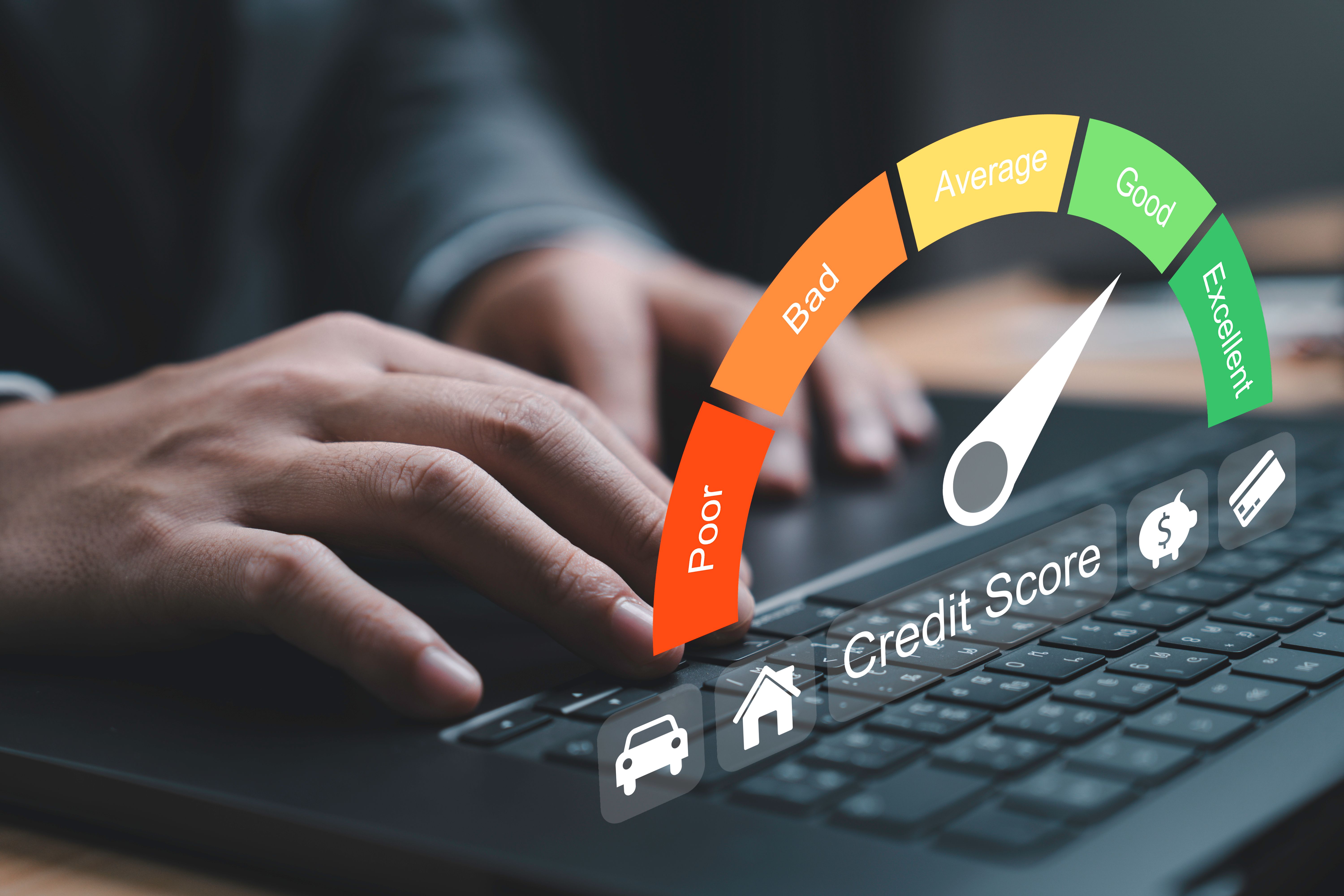
Your credit score is a numerical representation of your creditworthiness, and trade lines play a significant role in determining this score. Credit scoring models like FICO and VantageScore evaluate the information contained in your trade lines to calculate your score. Therefore, maintaining positive trade lines is essential for a good credit score.
Payment history is the most crucial factor in your credit score calculation. Late payments or defaults on any trade line can significantly lower your score. Additionally, the credit utilization ratio, which is the ratio of your outstanding credit balance to your credit limit, is another critical component.
Types of Trade Lines
There are several types of trade lines that you might encounter on your credit report:
- Revolving Accounts: These include credit cards and lines of credit where the balance can change from month to month.
- Installment Accounts: These include loans such as mortgages or auto loans where you pay a fixed amount each month until the debt is paid off.
- Open Accounts: Accounts that must be paid in full each month, such as charge cards.

Revolving vs. Installment Trade Lines
Revolving trade lines, like credit cards, offer flexibility as you can borrow up to a certain limit and pay back varying amounts each month. However, they require discipline to ensure that balances do not become unmanageable. Installment trade lines, on the other hand, involve borrowing a fixed amount and repaying it over time in regular installments.
Both types have their advantages and drawbacks. Revolving accounts can boost your credit score if managed well due to their impact on the credit utilization ratio. Meanwhile, timely payments on installment loans can demonstrate a reliable payment history.
The Importance of Managing Trade Lines
Properly managing your credit trade lines is vital for maintaining a strong financial profile. Here are some tips to help you manage them effectively:
- Always pay your bills on time to maintain a positive payment history.
- Aim to keep your credit utilization ratio below 30%.
- Regularly check your credit report for errors or inaccuracies that could affect your score.
- Diversify your credit mix for a balanced trade line profile.

Conclusion
Understanding and managing credit trade lines is an essential part of financial literacy. By keeping an eye on these accounts and making informed decisions, you can improve your credit score and secure better financial opportunities in the future. Remember that every action you take regarding these trade lines reflects on your credit report, so it's crucial to stay informed and proactive about your financial health.