The Ultimate Guide to Understanding Credit Trade Lines


What Are Credit Trade Lines?
Credit trade lines are essentially the individual accounts that appear on your credit report. Each line represents a credit account, such as a credit card, mortgage, auto loan, or any other type of loan. These lines provide detailed information about the account, including the creditor's name, the date the account was opened, the credit limit or loan amount, and your payment history.
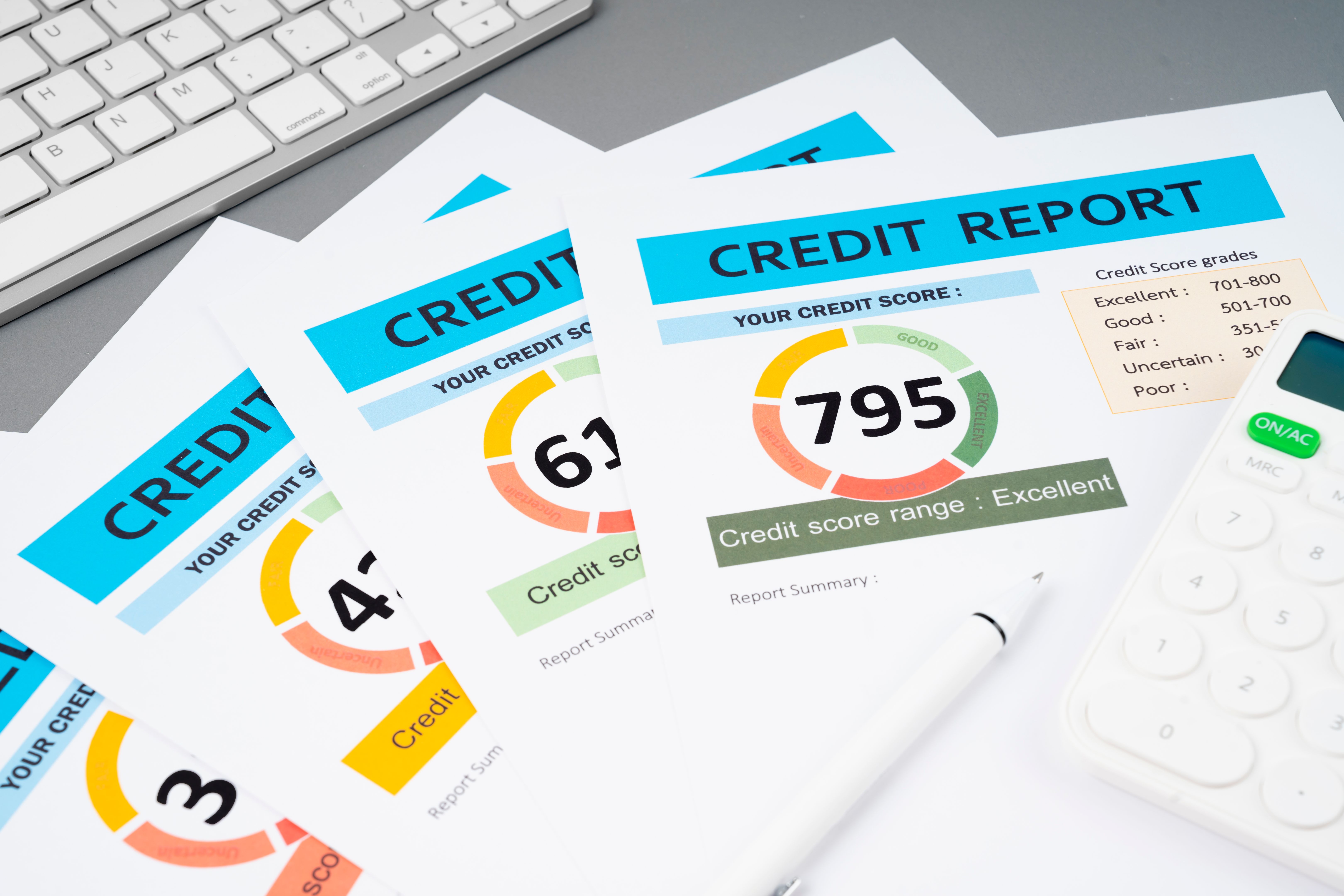
The information contained in these trade lines is crucial as it forms the basis of your credit score. Credit bureaus use this data to assess your creditworthiness and determine your ability to manage debt responsibly. Understanding how trade lines work can empower you to better manage your credit profile and improve your financial health.
Types of Credit Trade Lines
Revolving Credit
Revolving credit is a type of credit that allows you to borrow up to a certain limit and pay back the amount over time. Credit cards are the most common example of revolving credit. With revolving credit trade lines, you have flexibility in how much you charge to the account and how much you choose to pay off each month, as long as you make at least the minimum payment.
Installment Credit
Unlike revolving credit, installment credit involves borrowing a fixed amount of money and repaying it over a specified period in equal installments. Mortgages, auto loans, and student loans are examples of installment credit trade lines. These accounts typically have a set monthly payment and term length.

Open Credit
Open credit is less common and typically involves accounts that need to be paid in full each month. Examples include charge cards and utility accounts. These trade lines demonstrate your ability to manage monthly payments effectively.
The Impact of Trade Lines on Your Credit Score
Your credit score is significantly influenced by the information contained in your credit trade lines. Here are a few key factors:
- Payment History: Consistently making payments on time positively affects your credit score.
- Credit Utilization: Using a high percentage of your available credit can negatively impact your score.
- Account Age: Older trade lines contribute positively to your credit history.
- Types of Credit: A mix of revolving and installment credits can be beneficial.
How to Manage Your Credit Trade Lines Effectively
Regular Monitoring
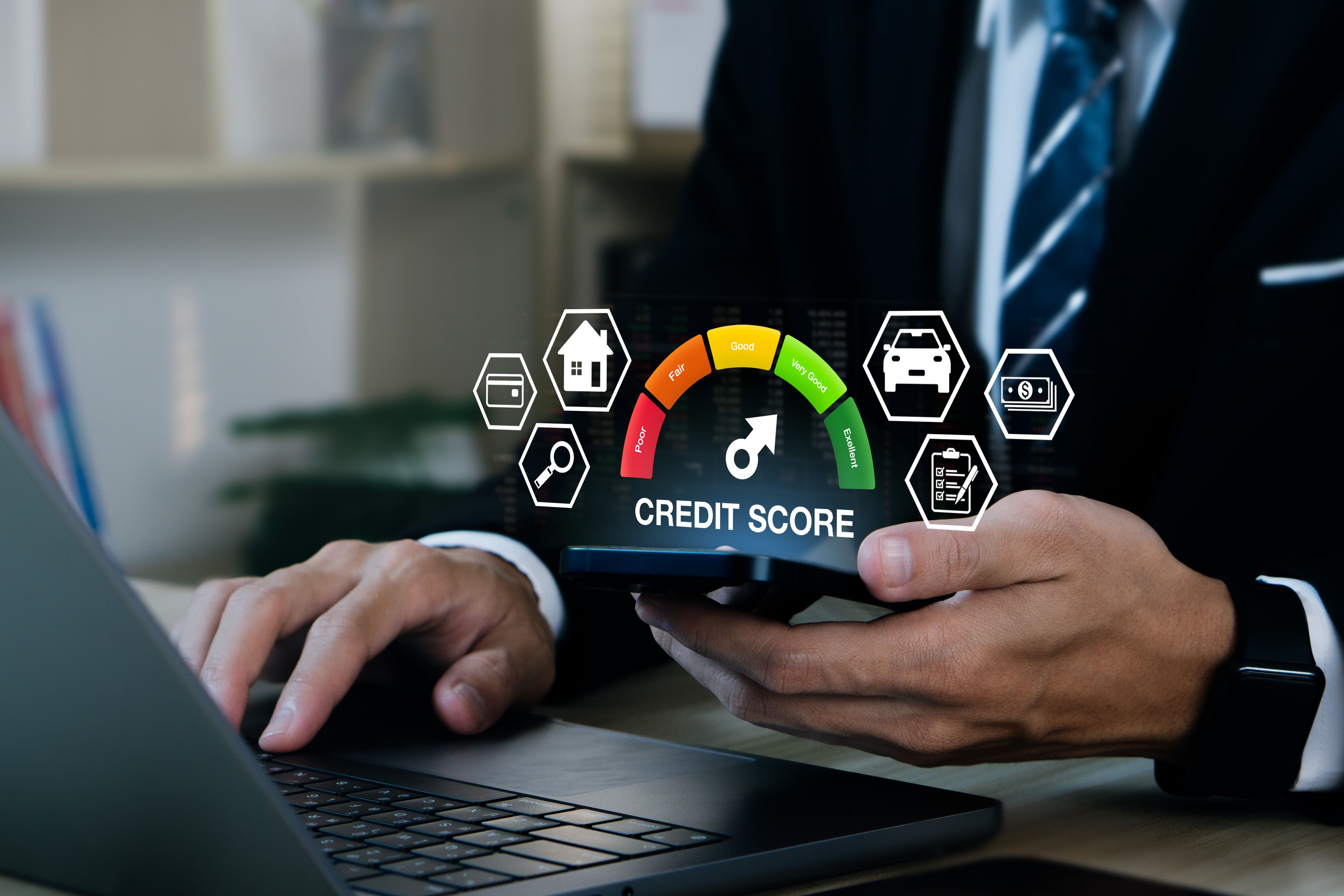
Regularly reviewing your credit report ensures that all trade line information is accurate and up-to-date. Monitoring helps you catch any errors or fraudulent accounts early, allowing you to address them promptly.
Timely Payments
Making timely payments is one of the most effective ways to maintain a positive credit profile. Set up automatic payments or reminders to ensure you never miss a due date.
Conclusion
Understanding and managing your credit trade lines is fundamental to maintaining a healthy credit score. By keeping track of your accounts, making timely payments, and maintaining a low credit utilization rate, you can enhance your financial reputation and access better borrowing opportunities in the future.