The Ultimate Guide to Understanding Credit Trade Lines


What Are Credit Trade Lines?
Understanding credit trade lines is essential for anyone looking to improve their financial health. A credit trade line is essentially an account listed on your credit report, representing a credit relationship between you and a lender. This could be a credit card, a mortgage, or any other type of loan. Each trade line includes vital information such as the account's open date, credit limit, payment history, and current balance.
The Importance of Credit Trade Lines
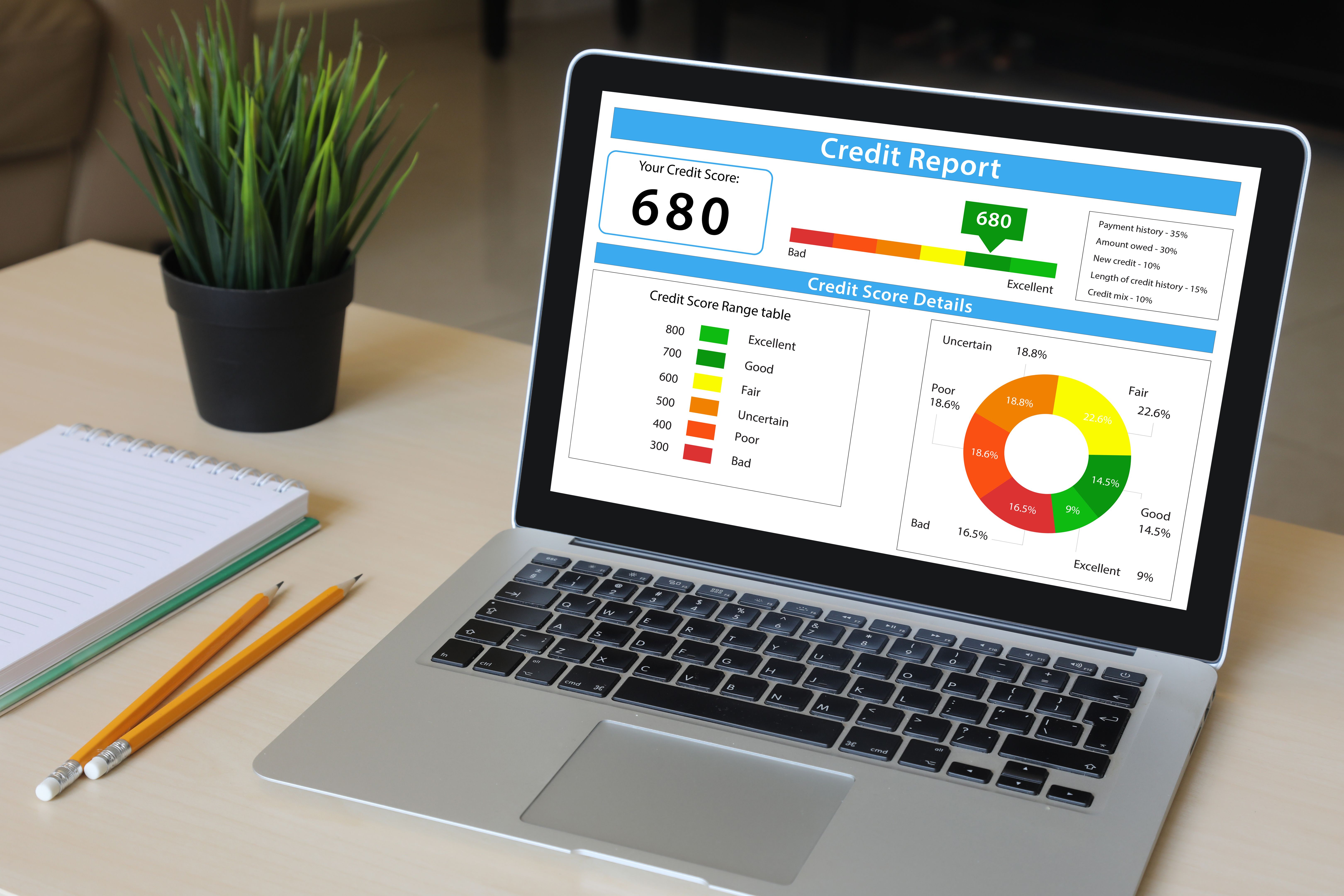
Credit trade lines play a crucial role in determining your credit score. They provide lenders with a detailed snapshot of your borrowing habits and financial responsibility. A well-managed trade line can positively impact your credit score, whereas a poorly managed one can have the opposite effect. Therefore, maintaining healthy trade lines is imperative for achieving a good credit score.
How Trade Lines Affect Your Credit Score
Your credit score is calculated based on various factors, and trade lines contribute significantly to this calculation. Here are some key elements:
- Payment History: Consistent, on-time payments will enhance your score.
- Credit Utilization: Keeping balances low in relation to your credit limit is beneficial.
- Account Age: Older accounts are generally more favorable.
Types of Credit Trade Lines
There are several types of credit trade lines, each serving different purposes in your credit profile. Common types include:
- Revolving Credit: Such as credit cards, where you can borrow up to a limit and pay back in installments.
- Installment Loans: Including mortgages and car loans, which involve fixed payments over time.
- Open Accounts: Like utility bills, that require full payment each month.
Managing Your Credit Trade Lines
Proper management of your credit trade lines is essential for maintaining a healthy credit score. Here are some tips to manage them effectively:
- Regularly review your credit report for accuracy.
- Maintain a low balance-to-limit ratio on revolving accounts.
- Avoid opening numerous new accounts in a short period.

Building Credit with New Trade Lines
Opening new trade lines can help build your credit profile, especially if you have limited credit history. However, it's crucial to approach this strategically. Start with low-limit accounts to establish a reliable payment history and gradually increase your limits as you prove your creditworthiness.
The Impact of Closing Trade Lines
Closing trade lines can impact your credit score by reducing your available credit and potentially shortening the average age of your accounts. Before closing an account, evaluate whether it will negatively affect your credit utilization ratio or the length of your credit history.
Understanding and managing your credit trade lines effectively can have a significant impact on your financial health. By keeping informed and taking proactive steps, you can ensure that your credit profile reflects positively on you as a borrower, paving the way for better financial opportunities.