The Ultimate Guide to Credit Trade Lines: Boosting Your Credit Score Effectively


Understanding Credit Trade Lines
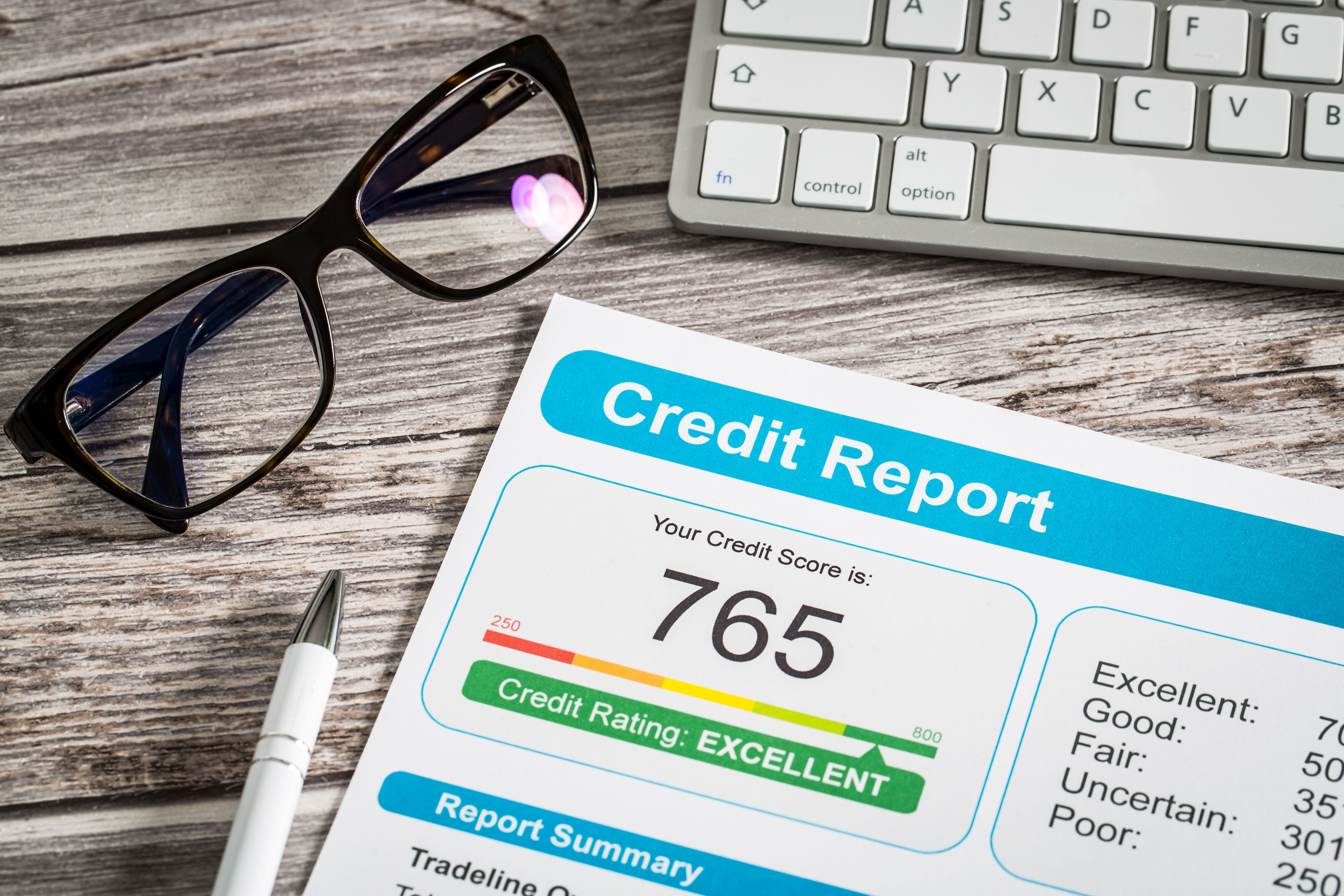
Credit trade lines are one of the most crucial components of your credit report. Essentially, a trade line is any account listed on your credit report, such as a credit card, mortgage, or auto loan. Each trade line includes information like the creditor's name, account balance, payment history, and credit limit. Understanding how these trade lines work can significantly influence your credit score.
Trade lines are used by lenders to assess your creditworthiness. They provide a detailed history of your borrowing behavior, allowing creditors to determine whether you are a reliable borrower. By managing these trade lines effectively, you can enhance your credit score and improve your chances of securing favorable loan terms.
The Impact of Credit Trade Lines on Your Credit Score
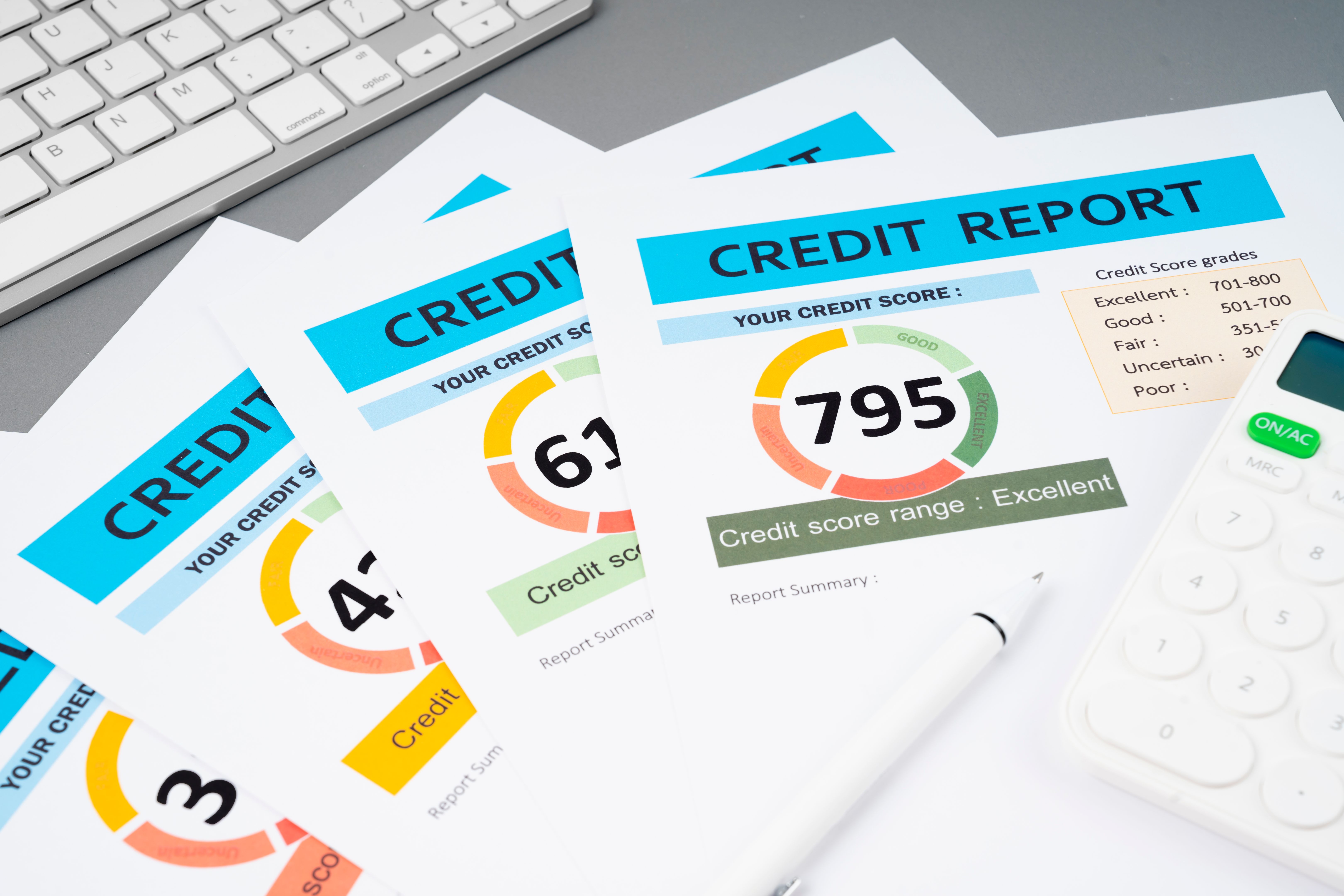
Your credit score is calculated based on several factors, and trade lines play a significant role. One of the key components is your payment history, which makes up about 35% of your credit score. Consistently making on-time payments across all trade lines can have a positive impact.
Another important factor is the amount owed relative to your credit limit, often referred to as your credit utilization ratio. Keeping this ratio below 30% is generally recommended, as it signals to lenders that you are not overly dependent on credit. Additionally, the length of your credit history, types of credit used, and recent credit inquiries also influence your score.
Types of Credit Trade Lines
There are several types of trade lines that can appear on your credit report. Some common examples include:
- Revolving accounts: These are accounts like credit cards where you have a set credit limit but can borrow up to that limit repeatedly as long as you make regular payments.
- Installment loans: This includes loans like mortgages and car loans where you borrow a fixed amount and repay it over a set period in regular installments.
- Open accounts: These are less common and include accounts where the balance must be paid in full each month, such as utility accounts or charge cards.
Strategies for Managing Credit Trade Lines
Effectively managing your trade lines involves several strategic actions:
- Pay on Time: Ensure all payments are made by their due dates to maintain a positive payment history.
- Monitor Balances: Keep an eye on your credit utilization ratio and aim to keep balances low relative to your total available credit.
- Diversify Your Credit: Having a mix of different types of trade lines can be beneficial for your score.
- Limit New Credit Applications: Each new application can result in a hard inquiry, which may temporarily lower your score.

The Role of Authorized User Accounts
Becoming an authorized user on someone else's account is another strategy to boost your credit score. When you are added as an authorized user, the account appears on your credit report, and its history can positively affect your score if managed well by the primary account holder.
However, this method should be approached with caution. If the primary account holder mismanages the account, it could negatively impact your score as well. It's important to only become an authorized user on accounts with a strong payment history and low balances.
Regularly Reviewing Your Credit Report
To ensure that your trade lines are accurately reported, it's essential to regularly review your credit reports from all three major bureaus: Equifax, Experian, and TransUnion. This enables you to identify any discrepancies or errors that could be affecting your score.
You are entitled to one free credit report annually from each bureau through AnnualCreditReport.com. Taking advantage of this allows you to stay informed about the state of your credit and spot any potential issues early.
Seeking Professional Advice
If managing your trade lines seems overwhelming or if you're struggling to improve your credit score, seeking professional advice may be beneficial. Credit counseling services can provide personalized strategies tailored to your financial situation.
These professionals can assist in negotiating with creditors, creating a budget, and offering tips on how to better manage your existing trade lines for long-term success.
Conclusion
Effectively managing credit trade lines is integral to boosting and maintaining a healthy credit score. By understanding how trade lines impact your score and employing strategic management practices, you can enhance your financial profile and increase your opportunities for favorable lending terms.
Remember that patience and consistency are key. Building a strong credit history takes time, but with diligent effort and informed strategies, you can achieve a healthy credit score that opens doors to financial opportunities.