The Impact of Trade Lines on Your Credit Report: What to Expect


Understanding Trade Lines
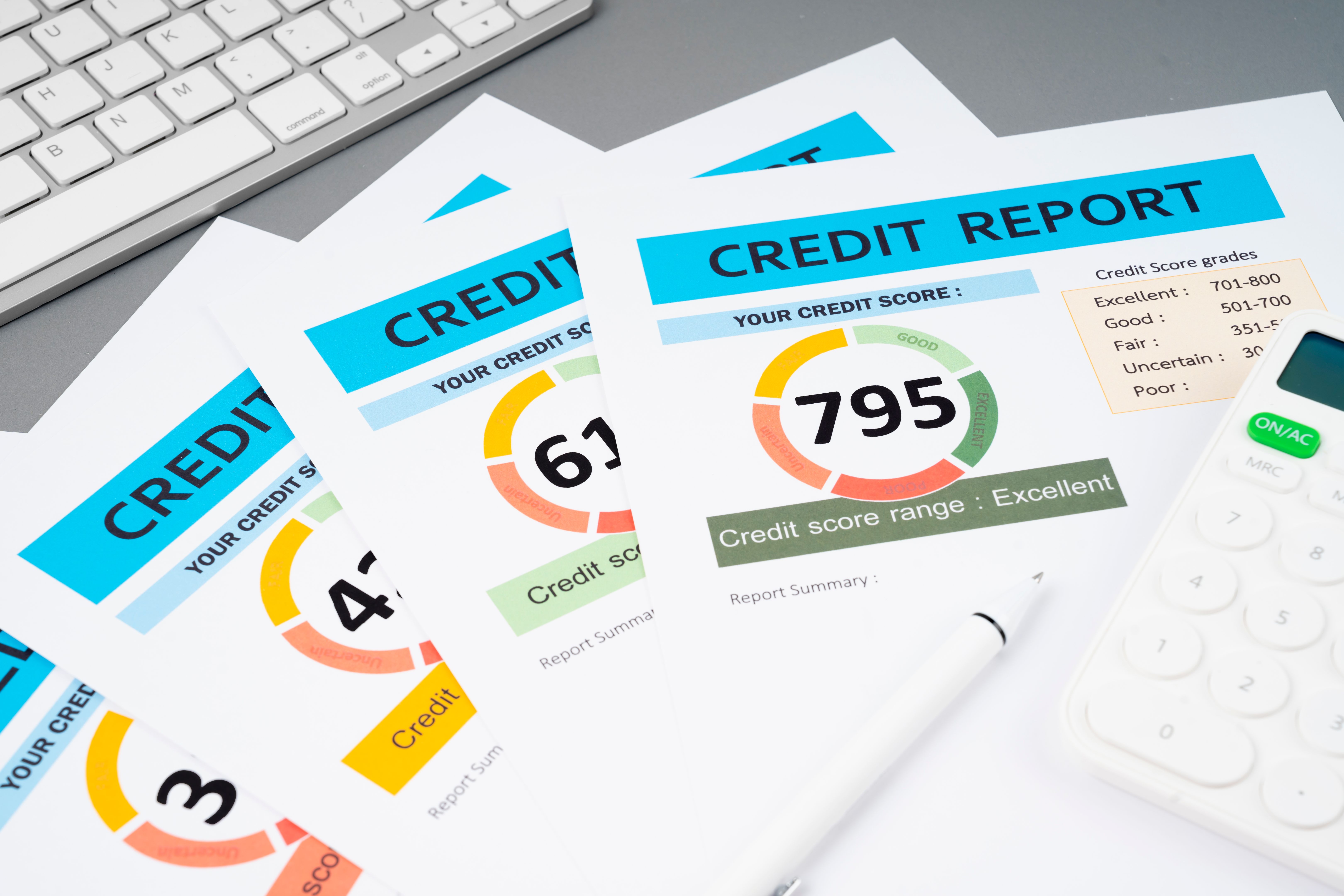
Trade lines are an essential component of your credit report, representing the various credit accounts under your name. Each trade line provides detailed information about a specific account, including account types, credit limits, balances, and payment history. Understanding how trade lines function can greatly impact your financial health.
When you apply for credit, lenders examine your trade lines to assess your creditworthiness. These entries allow lenders to evaluate your financial responsibility and predict future behavior based on past activity. Therefore, maintaining positive trade lines is crucial for a healthy credit score.
Types of Trade Lines
Trade lines can be classified into several categories depending on the type of account they represent. The most common types include:
- Revolving Accounts: These include credit cards and lines of credit, where you have a credit limit and can borrow up to that limit repeatedly as you repay.
- Installment Loans: This type covers loans that you repay over time with a set number of scheduled payments, such as mortgages, car loans, and student loans.
- Open Accounts: Less common, these are accounts where the balance must be paid in full every month, such as charge cards.
Each type affects your credit score differently, so it's important to manage them wisely.
The Role of Trade Lines in Credit Scores
Trade lines directly influence your credit score in several ways. Lenders analyze factors such as:
- Payment History: Timely payments on trade lines contribute positively to your score, while late payments can have a detrimental effect.
- Credit Utilization Ratio: For revolving accounts, maintaining a low balance compared to your credit limit is beneficial.
- Account Age: Older accounts generally have a more favorable impact on your credit score.
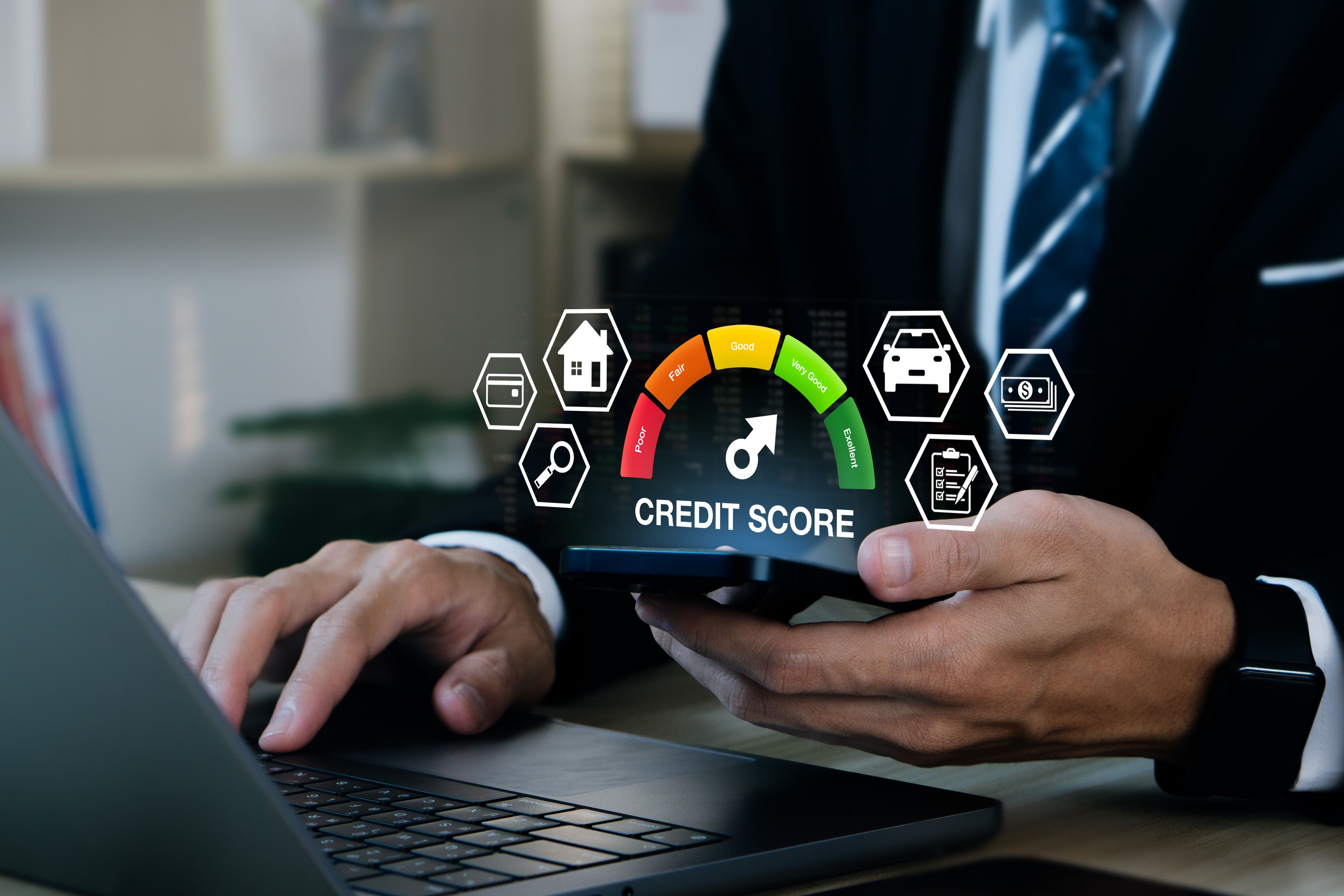
By understanding these elements, you can make more informed decisions regarding your credit usage.
Adding and Removing Trade Lines
The addition or removal of trade lines can significantly affect your credit report. Opening new accounts may temporarily lower your score due to hard inquiries, but responsibly managed accounts can improve it over time. On the other hand, closing accounts can impact your credit utilization ratio and the average age of your credit history.
It's important to strategically manage the number and types of trade lines on your report to maintain a balanced credit profile.

Monitoring Your Trade Lines
Regularly reviewing your credit report to monitor your trade lines is a proactive step towards financial health. Keeping an eye on any inaccuracies or unauthorized activities ensures that your credit report accurately reflects your financial behavior.
Many financial services offer tools to help track changes in your trade lines and alert you to significant updates. These tools can be invaluable in maintaining a strong credit profile.
The Long-Term Impact of Trade Lines
The impact of trade lines extends beyond just borrowing power. A strong credit history can influence various aspects of life, from securing favorable interest rates on loans to qualifying for rental housing and even job opportunities. Thus, managing trade lines effectively is a critical part of maintaining overall financial well-being.
With diligent monitoring and responsible financial habits, you can ensure that the trade lines on your credit report work to your advantage, paving the way for a secure financial future.