Navigating Credit Trade Lines: A Beginner's Guide


Understanding Credit Trade Lines
Credit trade lines are a fundamental component of your credit report, representing individual credit accounts. These accounts range from credit cards and mortgages to personal loans. Each trade line provides detailed information about the account's activity, including the creditor's name, the account type, the credit limit or loan amount, and your payment history.
Knowing how to navigate credit trade lines is crucial for maintaining a healthy credit score. By understanding what each entry signifies, you can make informed decisions that positively impact your financial health. The goal is to ensure that your credit report accurately reflects your creditworthiness.
The Components of a Credit Trade Line
Each trade line includes several key components. Understanding these can help you manage your accounts better:
- Creditor Information: This includes the name of the lender or bank that provided the credit.
- Account Type: Specifies the type of credit, such as installment or revolving credit.
- Credit Limit or Loan Amount: Indicates the maximum amount you can borrow.
- Payment History: Shows whether payments have been made on time, late, or missed altogether.
Being aware of these components is vital as they directly influence your credit score and overall financial health.
How Credit Trade Lines Affect Your Credit Score
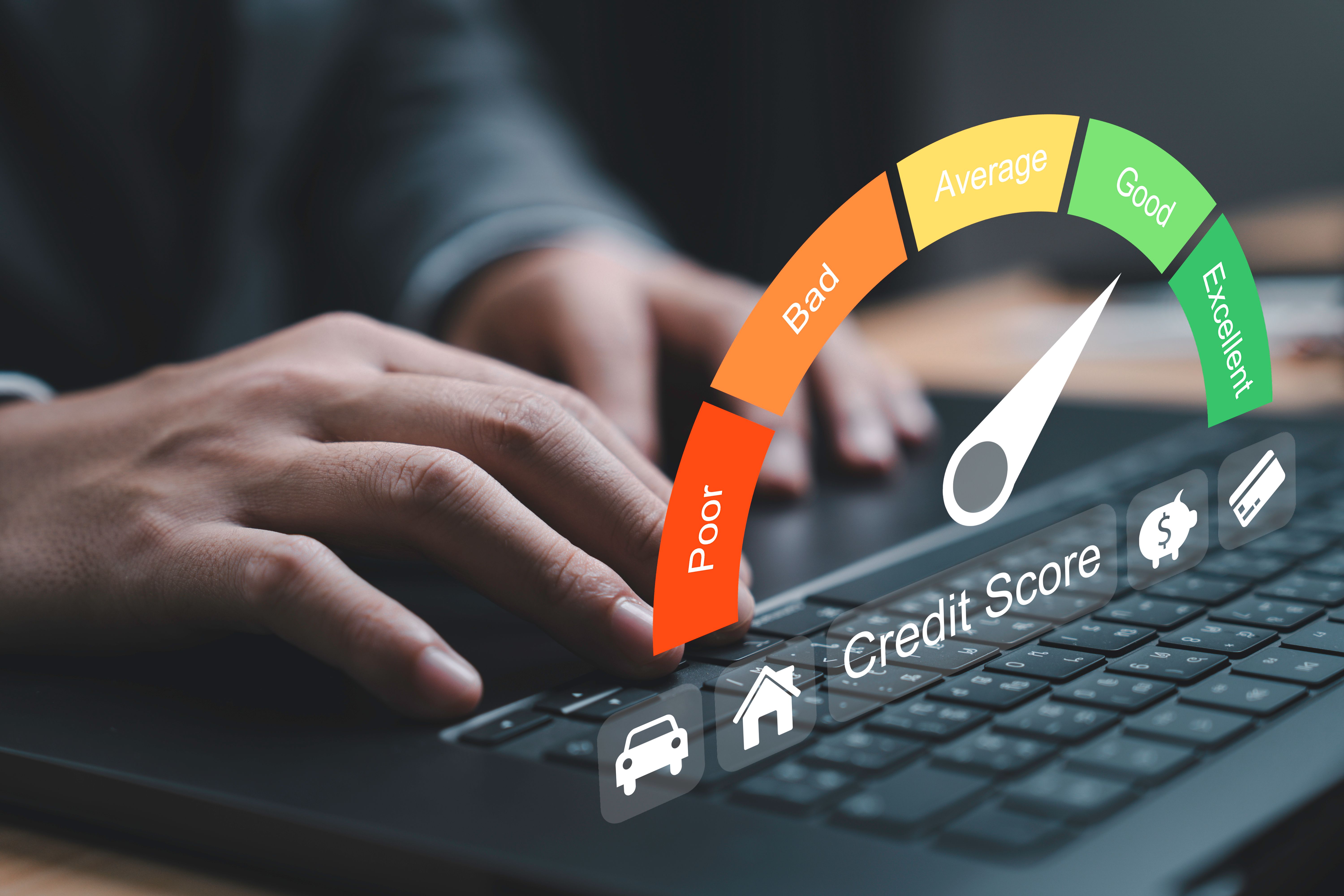
Your credit score is calculated based on various factors, and trade lines play a significant role. Payment history contributes significantly to your score. Consistent on-time payments can boost your score, while late payments can harm it. Additionally, the amount of debt relative to your credit limits, known as credit utilization, is another critical factor.
Maintaining a low credit utilization ratio by keeping balances low on revolving accounts can positively impact your score. Regularly reviewing your trade lines ensures you spot any inaccuracies that could unfairly affect your score.

Managing and Monitoring Your Trade Lines
Managing your trade lines effectively involves regular monitoring and taking proactive steps to address any issues. Start by obtaining a copy of your credit report from one of the major credit bureaus. Review each trade line for accuracy, checking details like account status, balance, and payment history.
If you spot any errors, promptly dispute them with the credit bureau. Keeping track of your accounts and ensuring they reflect accurate information can prevent potential negative impacts on your credit score.
Steps to Improve Your Trade Line Entries
If you find that some of your trade lines are less than ideal, there are steps you can take to improve them:
- Make Timely Payments: Ensure all future payments are made on time.
- Reduce Debt: Pay down existing balances to lower your credit utilization ratio.
- Limit New Credit Applications: Too many inquiries in a short period can negatively affect your score.
By taking these steps, you can enhance the quality of your trade lines and potentially improve your overall credit profile.

The Importance of Regular Review
Regularly reviewing your credit report and trade lines is an essential practice. It not only helps in maintaining an accurate report but also empowers you to make informed financial decisions. Set a reminder to check your report at least once a year and after major financial changes.
Remember that understanding and managing your trade lines effectively can lead to better financial opportunities, including favorable interest rates on loans and increased chances of credit approval.
By taking control of your credit trade lines today, you're setting the foundation for a more secure financial future. Stay informed, proactive, and vigilant to ensure that your credit journey is as smooth as possible.