
Credit Trade Lines vs. Credit Cards: What’s the Difference?


Understanding Credit Trade Lines
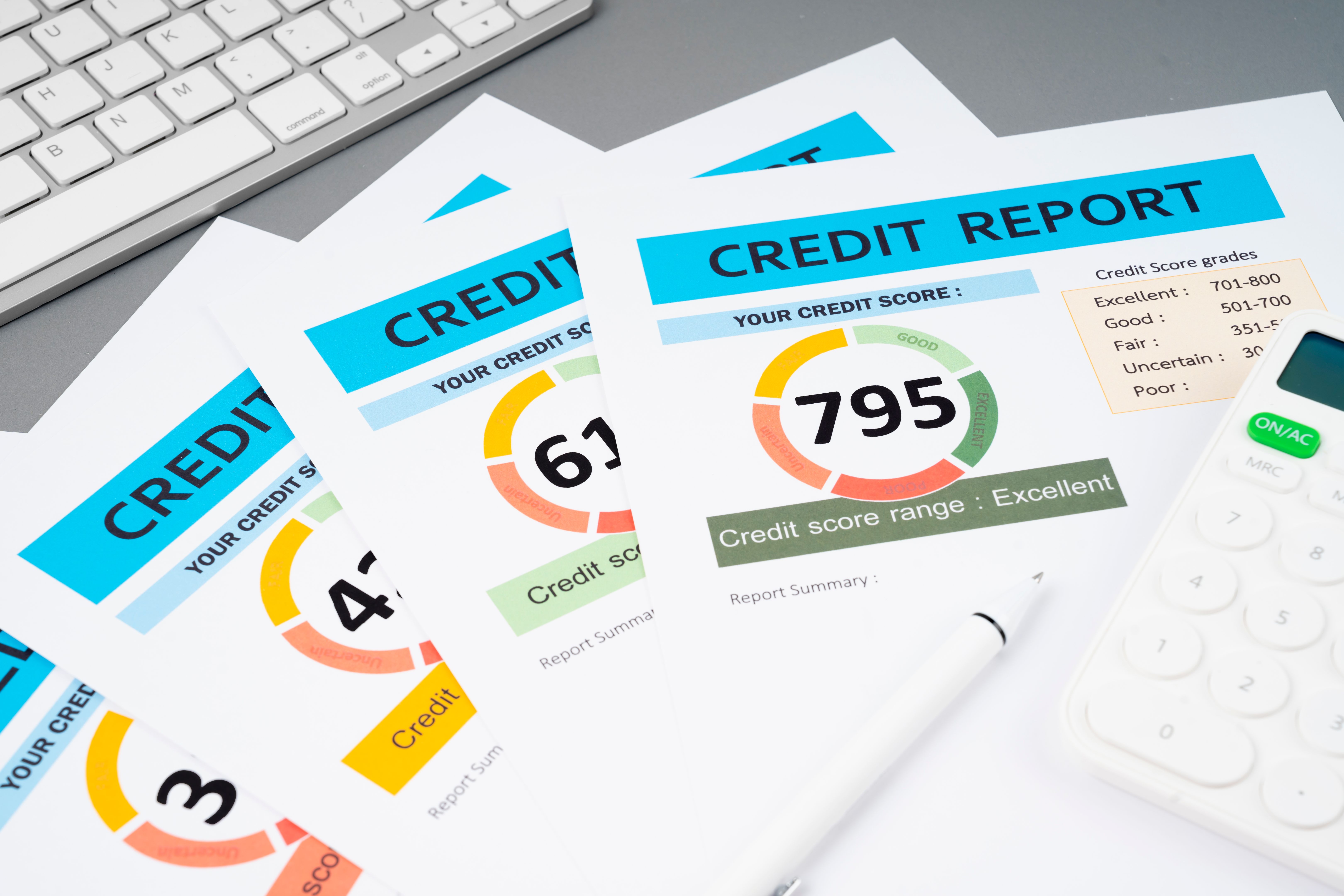
Credit trade lines are essentially the different accounts listed on your credit report. These accounts can be revolving credit accounts like credit cards or installment loans such as mortgages or auto loans. Each trade line includes detailed information about the account, such as the creditor's name, the account type, credit limit, balance, and payment history.
Trade lines are crucial in determining your credit score. The information within these trade lines is what credit bureaus use to calculate your creditworthiness. A strong history of on-time payments and low balances can positively impact your score, while late payments and high balances can do the opposite.
Exploring Credit Cards
Credit cards are a type of revolving credit account that allows you to borrow funds up to a certain limit for purchases, with the expectation that you will pay back the borrowed amount, plus any interest, by a specified date. They are one of the most common forms of credit available to consumers.
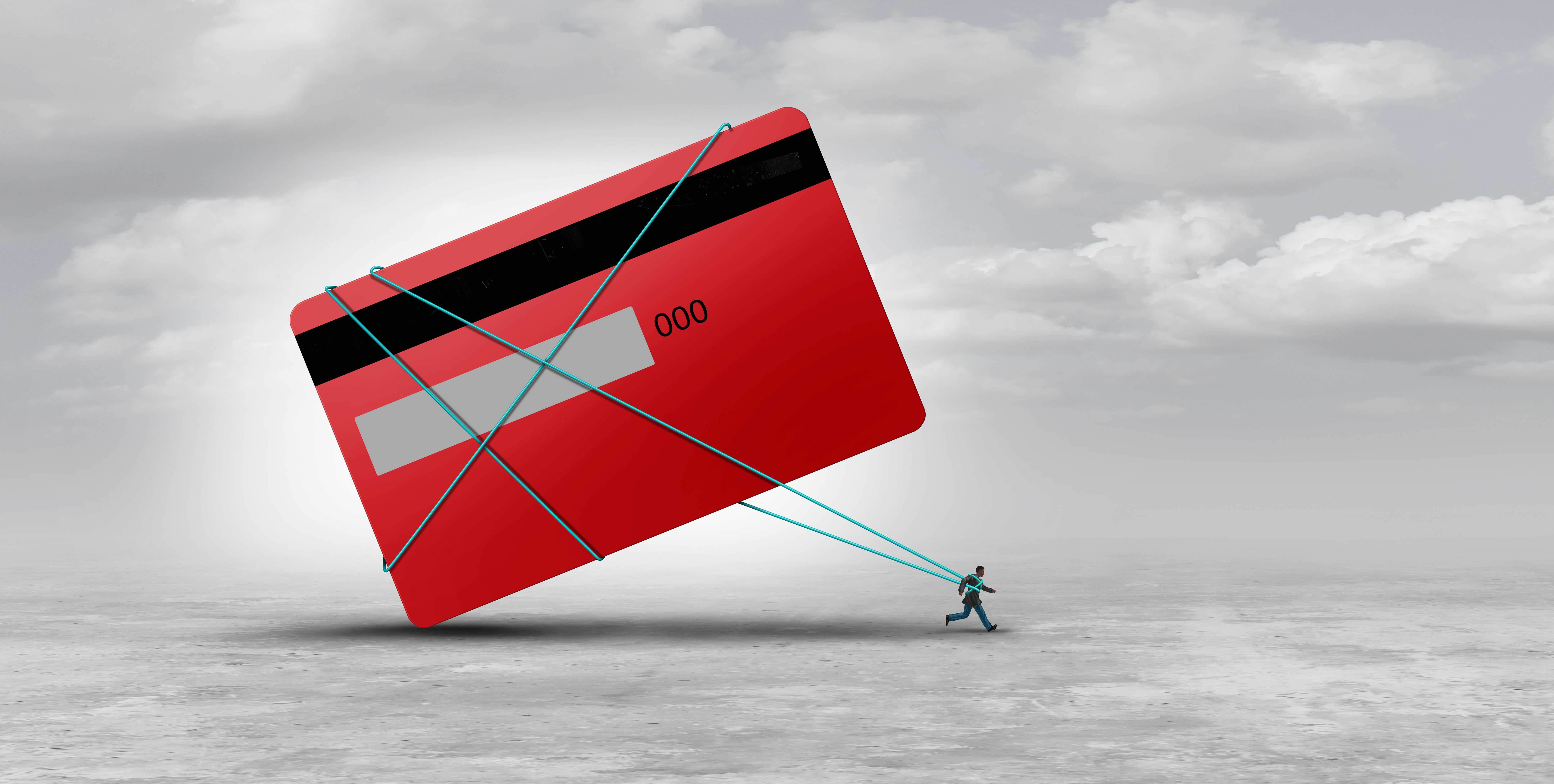
Using credit cards responsibly can be a great way to build credit. Regularly making payments on time and keeping balances low are key strategies for maintaining a healthy credit score. However, mismanaging credit cards can lead to high interest rates, debt accumulation, and a negative impact on your credit score.
Key Differences Between Credit Trade Lines and Credit Cards
Nature of Accounts
While all credit cards are considered trade lines, not all trade lines are credit cards. Trade lines encompass a broader range of accounts, including installment loans, which require regular payments over a set period. Credit cards, being revolving accounts, offer more flexibility in terms of payment and borrowing limits.
Impact on Credit Score
Both credit trade lines and credit cards significantly impact your credit score, but they do so in different ways. Trade lines provide a complete picture of your credit history by documenting various types of credit accounts. Credit cards specifically affect your score through factors such as credit utilization ratio and payment history.
Advantages of Having Multiple Trade Lines
Having multiple trade lines can be beneficial for your credit profile. It demonstrates your ability to manage different types of credit and can improve your overall credit score if managed effectively. Diversifying the types of trade lines you have can also make you more attractive to lenders.

Choosing What’s Right for You
Deciding between focusing on building trade lines or managing credit cards depends on your financial goals and current situation. If you're looking to improve your credit score quickly, managing your existing trade lines effectively could be beneficial. On the other hand, if you're just starting out, using a credit card responsibly might be your first step toward establishing a positive credit history.
Ultimately, understanding how both trade lines and credit cards work will help you make informed decisions about your financial health. Whether you're using them to build credit or manage existing debt, each plays a crucial role in your financial strategy.